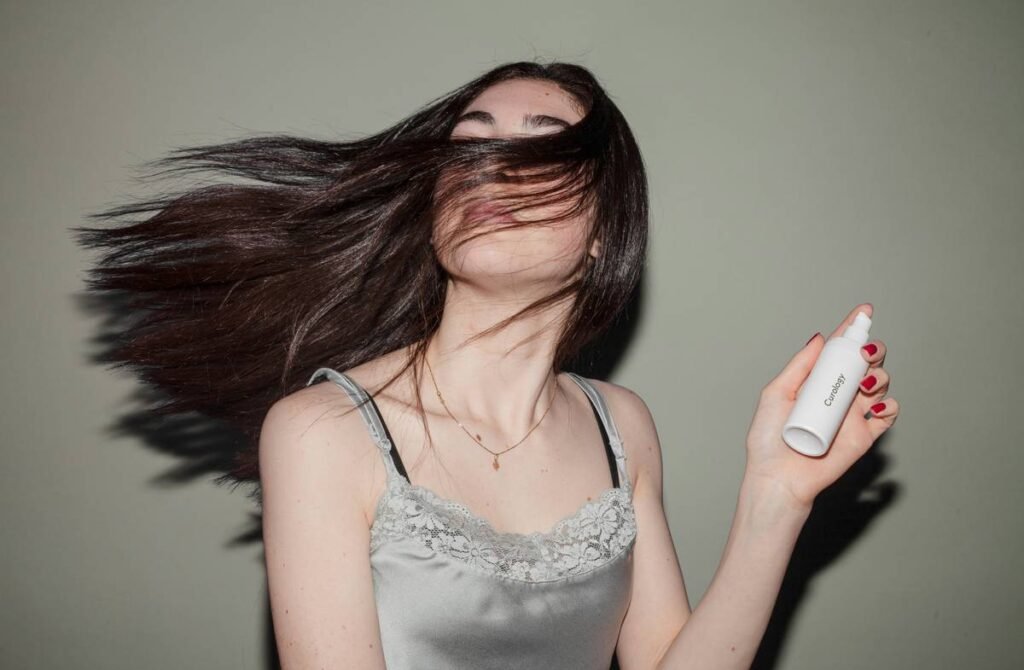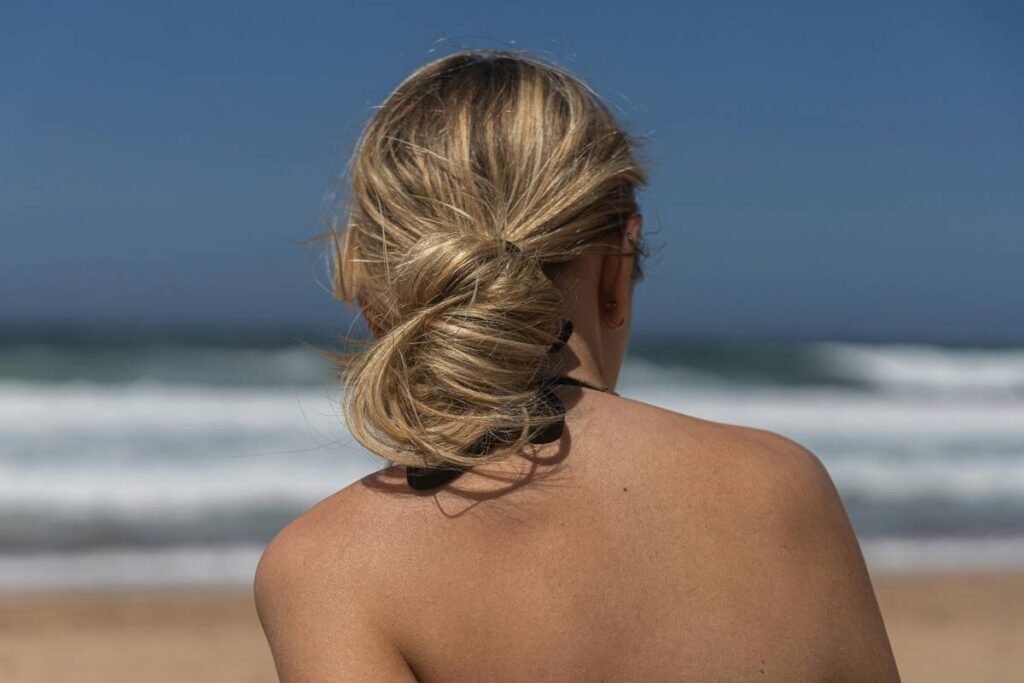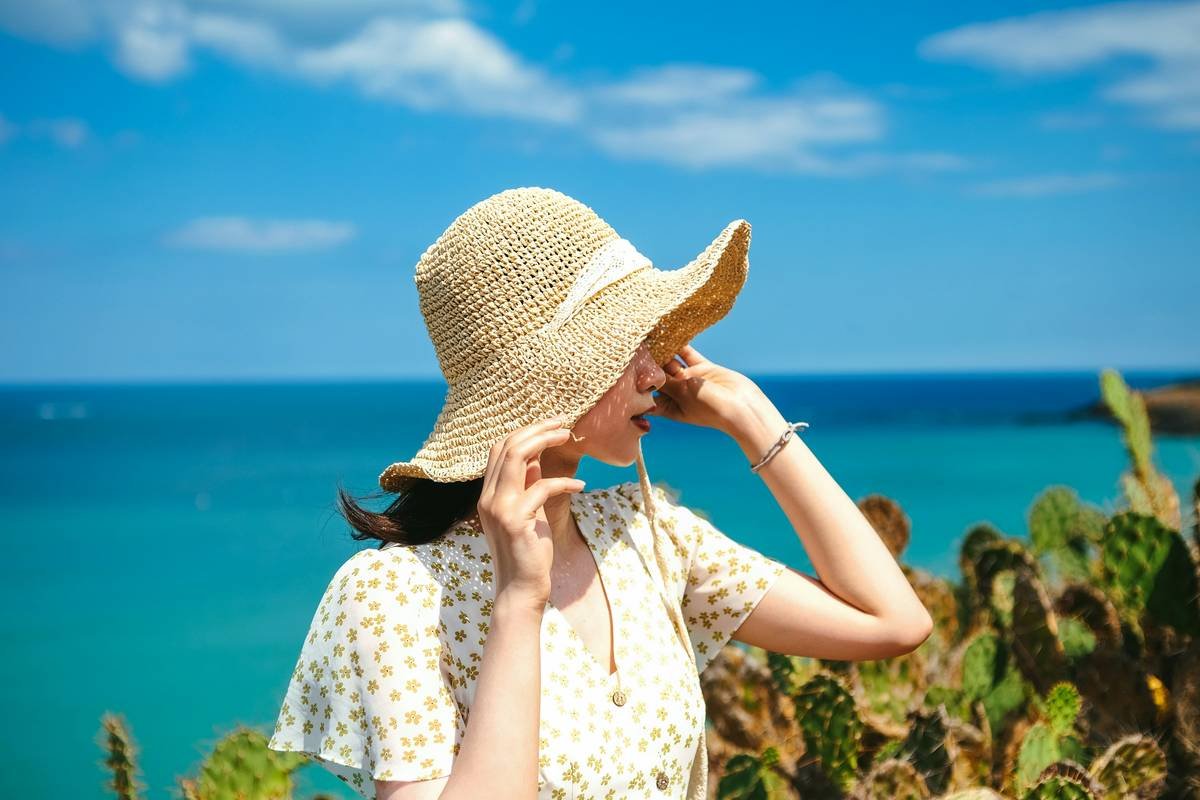
Ever walked off the beach with sun-kissed skin—but straw-like, frizzy, faded hair? You slathered on SPF 50, re-applied after every swim… yet your hair paid the price. If this sounds familiar, you’re not alone. UV radiation damages hair just like it damages skin—breaking down keratin, fading color, and weakening strands. And no, your leave-in conditioner isn’t cutting it.
In this post, we’ll unpack why a dedicated hair UV protector isn’t luxury—it’s necessity. You’ll learn exactly how UV rays sabotage your strands, which ingredients actually shield your hair (spoiler: not all “SPF for hair” claims are legit), and my top-tested product recommendations based on hair type. Plus: real-world mistakes I’ve made so you don’t have to.
Table of Contents
- Why Does Hair Need UV Protection?
- How to Choose the Right Hair UV Protector
- Best Practices for Using Hair UV Protectors
- Real Results: A Salon Client’s UV Hair Recovery
- Hair UV Protector FAQs
Key Takeaways
- UVB and UVA rays degrade hair proteins, cause color fade, and increase breakage—even on cloudy days.
- Look for hair UV protectors with benzophenone-4, ethylhexyl methoxycinnamate, or natural UV filters like raspberry seed oil.
- Spray formulas offer lightweight coverage; creams work better for thick or curly hair.
- Reapply every 2–3 hours during prolonged sun exposure—yes, even if it’s not “sweating off.” UV filters degrade over time.
- Avoid products labeled “UV protection” that only contain antioxidants—they help but don’t block UV rays.
Why Does Hair Need UV Protection?
Your hair isn’t alive—but that doesn’t mean it’s invincible. Unlike skin, hair can’t repair itself. Once UV radiation penetrates the cuticle, it triggers photo-oxidation: breaking disulfide bonds in keratin, leaching out melanin (hello, brassy blonde!), and creating free radicals that make strands brittle and porous.
A 2021 study published in the International Journal of Cosmetic Science found that just 6 hours of direct summer sun reduced hair tensile strength by up to 23%. And color-treated hair? It’s even more vulnerable—dyes amplify UV absorption, accelerating fade and damage.
I learned this the hard way during a week-long sailing trip in Greece. I wore a wide-brim hat… half the time. By day five, my balayage looked patchy, my ends snapped when brushed, and my scalp burned through thinning parts. My stylist later told me: “You protected your face like Fort Knox—but left your hair naked in a warzone.” Ouch.
How to Choose the Right Hair UV Protector
Not all “sun protection for hair” products deliver real defense. Many rely on vague terms like “shielding” or “antioxidant-rich” without actual UV filters. Here’s how to spot the legit ones—and match them to your hair type.
What ingredients actually block UV rays?
True hair UV protectors contain **organic (chemical) or inorganic (mineral) UV filters** approved for cosmetic use:
- Benzophenone-4: Water-soluble, common in sprays. Effective against UVB and short UVA.
- Ethylhexyl methoxycinnamate (Octinoxate): Popular in leave-ins; absorbs UVB.
- Titanium dioxide or zinc oxide: Mineral options (less common in hair due to white cast).
- Natural alternatives: Raspberry seed oil and red raspberry extract show some UV-absorbing properties in lab tests—but they’re not as reliable as synthetics for intense exposure (Journal of Cosmetic Science, 2019).
Optimist You: “Just grab any UV spray!”
Grumpy You: “Ugh, fine—but only if it lists actual filters *and* doesn’t leave my curls crunchy.”
Match the formula to your hair type
- Fine/straight hair: Lightweight sprays or mists (e.g., Aquis UV Defense Mist). Avoid heavy oils.
- Curly/coily hair: Cream-based protectors with humectants (like Kérastase Soleil Huile Soin). Adds moisture + shield.
- Color-treated hair: Look for violet/blue pigments to counteract brassiness (e.g., Christophe Robin Shade Variation Mask with UV Filter).
- Scalp concerns: Use a scalp-specific sunscreen stick (like Supergoop! Poof 100% Mineral Part Powder SPF 35).
Best Practices for Using Hair UV Protectors
Applying it wrong = wasted money. Follow these steps for maximum defense:
- Apply to damp or dry hair before sun exposure. UV filters need 10–15 minutes to bind.
- Section hair for even coverage—especially roots and part lines.
- Reapply every 2–3 hours during beach/pool days. Salt water, chlorine, and towel-drying strip protection.
- Pair with physical barriers: Hats, scarves, or UV-blocking umbrellas boost efficacy.
- Never skip post-sun recovery: Use a protein-rich mask (like Olaplex No.8) to rebuild keratin.
⚠️ Terrible Tip Alert
“Just use your regular sunscreen on your hair.” Nope. Facial/body sunscreens often contain alcohol, silicones, or emulsifiers that build up on hair, causing greasiness, dullness, or even clogged follicles. Hair-specific formulas are pH-balanced for the fiber—not the skin.
Real Results: A Salon Client’s UV Hair Recovery
Last summer, “Maya” (a 32-year-old with honey-blonde balayage) came in with extreme dryness, split ends, and noticeable greenish tint (from pool chlorine + sun reaction). She’d been using a “UV-protective” argan oil daily—turns out, it had zero UV filters, just vitamin E.
We switched her routine:
- Morning: Cult+King Hair Sunscreen Spray (with benzophenone-4) applied pre-beach
- Post-swim: Rinse with fresh water + sulfate-free chelating shampoo (Malibu C Hard Water Wellness)
- Nightly: Deep conditioning with Briogeo Farewell Frizz Rosarco Milk (contains UV-absorbing plant oils)
After 6 weeks, her hair regained elasticity, color stayed vibrant, and breakage dropped by ~70%. Her trichoscopy scan showed reduced cuticle lifting. Proof? Not all UV “protection” is created equal—but the right one works.
Hair UV Protector FAQs
Can I use hair UV protector every day?
Yes! Daily UV exposure adds up—even through windows. Lightweight sprays (like Sachajuan Hair in the Sun) won’t weigh hair down.
Does hair UV protector prevent frizz?
Indirectly. By shielding the cuticle from UV-induced roughness, it helps maintain smoothness. But it’s not a frizz serum—pair with anti-humidity products if needed.
Are there UV protectors for men’s hair or balding scalps?
Absolutely. Scalp sunscreens (e.g., Neutrogena Ultra Sheer Liquid SPF 70) or powder formulas (Colorescience Sunforgettable) work well. For thinning hair, spray directly on the scalp part.
Do natural oils like coconut oil block UV rays?
Minimally. Coconut oil has an estimated SPF of 4–8 in lab conditions—but it’s inconsistent and melts in heat. Don’t rely on it for beach days.
Final Thoughts
Your hair deserves the same sun defense as your skin. Investing in a true hair UV protector—with verified UV filters, matched to your hair type—prevents irreversible damage, keeps color vibrant, and maintains strength season after season. Skip the gimmicks, check the label, and reapply like your highlights depend on it (because they do).
Now go forth—sun safely, shine brightly.
Frizz fades.
Color bleeds.
But UV shields?
They’re forever.