Summer sun fries your strands like forgotten bacon on a hot skillet. You slather SPF on your skin—but ignore your hair? Big mistake. UV rays degrade keratin, bleach color, and leave ends brittle as dry twigs. The solution isn’t another spray or serum—it’s a targeted uv hair protection balm that seals in moisture while deflecting solar assault.
Why Your Current “Sun Protection” Routine Is Failing Your Hair
Most people think hats or leave-in conditioners offer enough defense. Nope. Fabric blocks only partial UV—and lightweight sprays evaporate within 90 minutes under direct sun. Worse? Many contain alcohol that dries hair further when heat hits. And don’t get me started on coconut oil myths—it absorbs UV poorly and attracts dust like glue in humid climates.
The damage is cumulative. One beach day won’t wreck you. But three months of daily sun exposure without proper shielding? That’s when split ends multiply and shine disappears for good.
How to Apply uv hair protection balm Like a Pro (Step-by-Step)
Forget slapping product on dry hair last-minute. Timing, texture, and technique make all the difference.
Select the Right Formula Based on Hair Type
Fine hair needs lightweight, non-greasy balms with silicones like amodimethicone—they add slip without weight. Thick or curly hair thrives with richer bases: shea butter blended with UV filters like ethylhexyl methoxycinnamate. Avoid anything labeled “oil-based” unless it specifies photostable filters.
Apply to Damp—Not Soaking—Hair
Work the balm from mid-lengths to ends while hair is towel-dried. Why? Water swells the cuticle slightly, letting actives penetrate better. Skip the roots unless you’re balding—scalp protection requires different chemistry (think zinc oxide lotions).
Reapply After Swimming or Sweating Heavily
Chlorine strips barriers. Saltwater dehydrates. Even sweat breaks down film formers. Reapplication every 80–120 minutes during prolonged exposure isn’t overkill—it’s basic maintenance.
| Method | UV Protection Level | Duration | Best For |
|---|---|---|---|
| uv hair protection balm (with certified UV filters) | High (SPF 15–30 equivalent) | 2–3 hours | All hair types, especially color-treated |
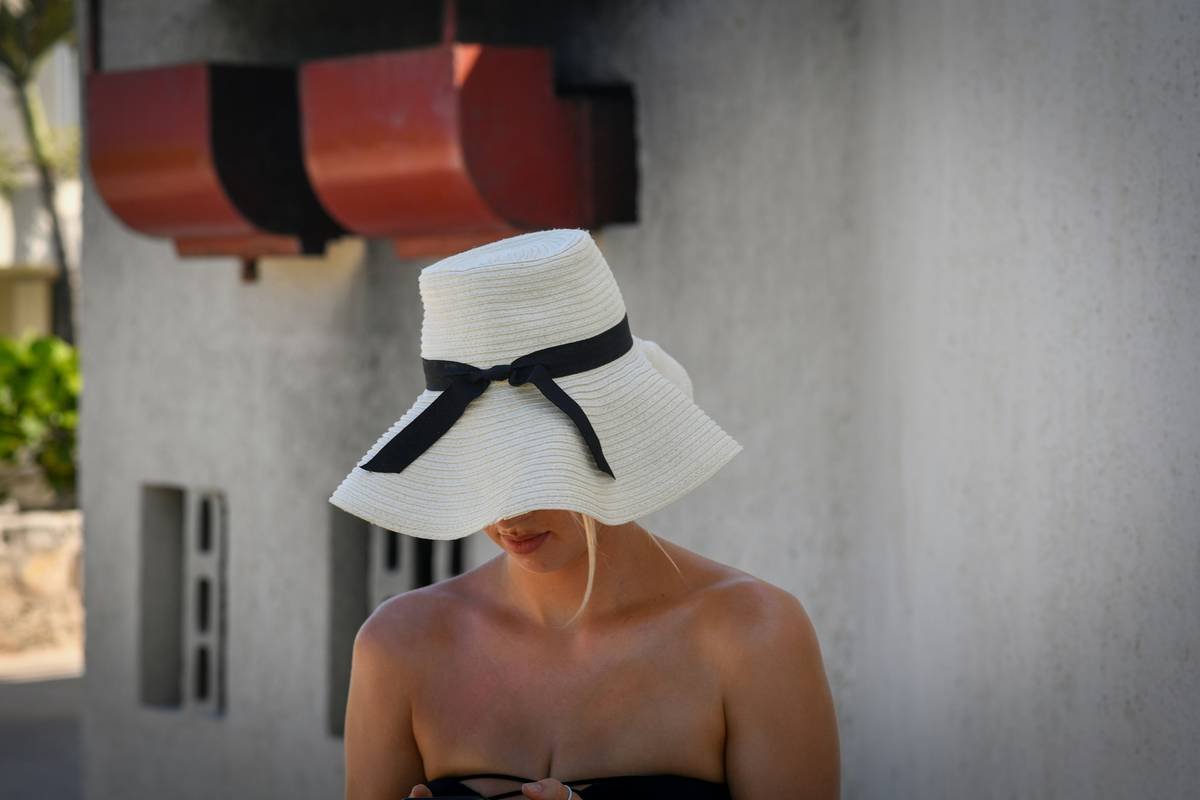
| Hat or scarf | Moderate (blocks ~60% UVA/UVB) | All day | Scalp-focused protection |
| Leave-in conditioner without UV filters | Low (minimal actual blocking) | <1 hour | Indoor use only |
| Coconut oil alone | Very low (absorbs some UV but no barrier) | 30–45 min | Misguided DIY enthusiasts |
The Industry Secret Nobody Talks About: Not All “UV Protection” Is Equal
Here’s the reality: many brands slap “UV protection” on labels without third-party validation. The math is simple—look for products tested per ISO 24443 or COLIPA guidelines. Real protection requires photostable organic filters bonded to film-forming polymers. Without that bond? Filters degrade fast, leaving your hair naked under noon sun.
I’ve seen labs where “SPF 30 hair serum” tests showed zero UVA-PF after 45 minutes of simulated sunlight. The secret? Demand transparency. If the brand won’t disclose filter types or testing protocols—walk away. Your strands deserve better than marketing fluff.
Frequently Asked Questions
Can I use regular sunscreen on my hair?
No. Body sunscreens clog follicles, feel greasy, and lack adhesion to hair shafts. They wash off instantly with sweat. Use only formulas designed specifically for hair.
Does uv hair protection balm prevent color fading?
Yes—if it contains benzophenone-4 or similar dye-stabilizing filters. These absorb UV before it oxidizes pigment molecules. Reapply every two hours during sun exposure for best results.
Is it safe for daily use?
Absolutely. Modern UV-balms are non-comedogenic and silicone-safe. Just avoid excessive buildup by clarifying once weekly with a chelating shampoo.