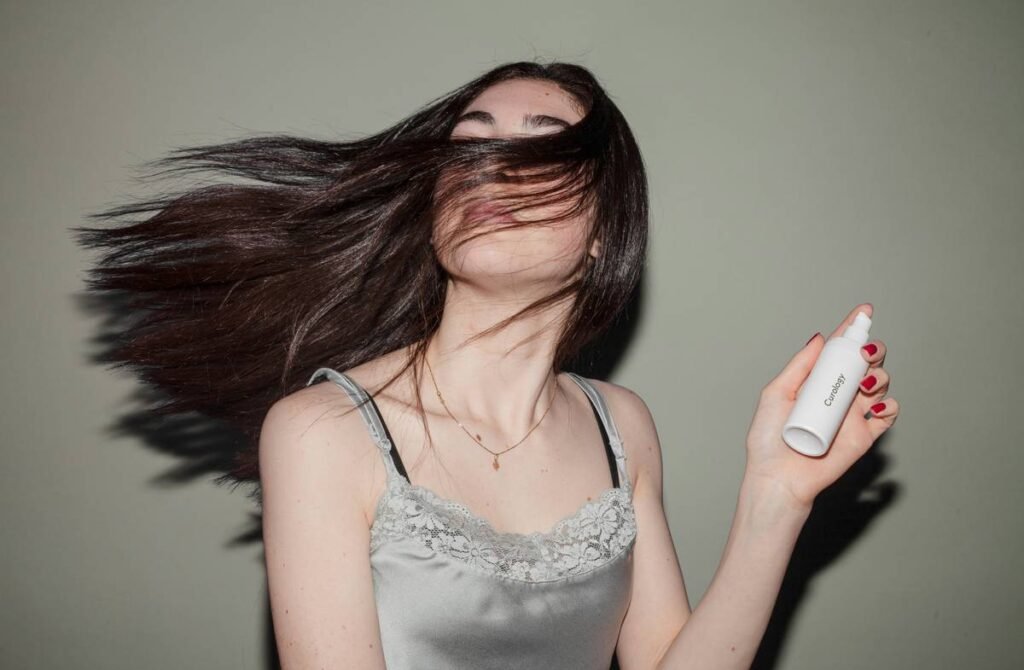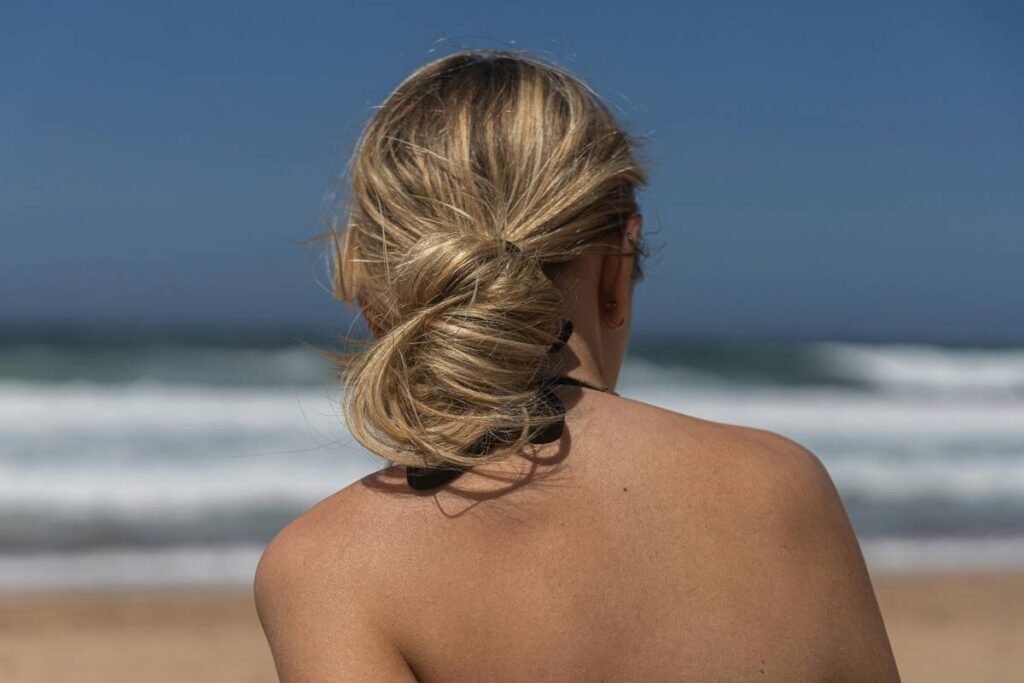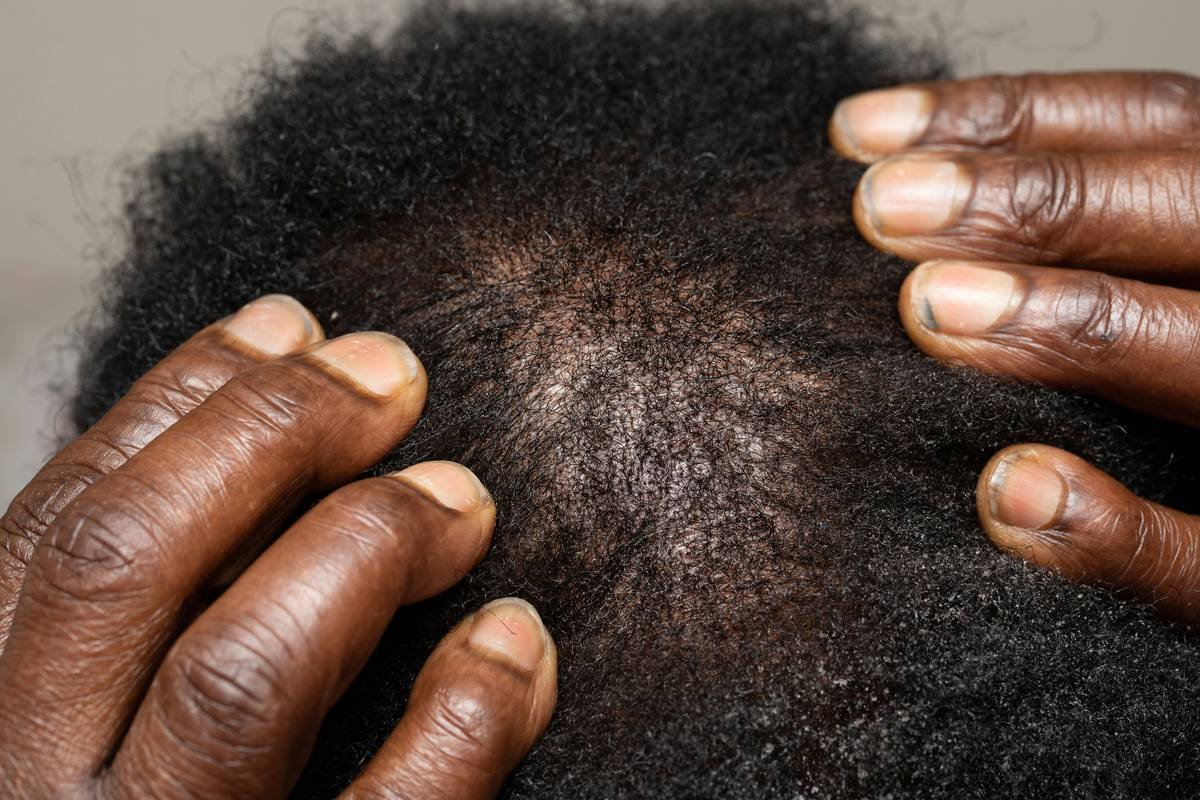
Your part is burning. Not metaphorically—your scalp is literally getting fried every time you step outside without protection. And no, your favorite leave-in conditioner won’t cut it. Scalp sun guard isn’t just a marketing gimmick; it’s the missing link between UV damage and hair thinning you never saw coming.
Why Your Current Sun Routine Fails Your Scalp
Most people slather SPF on their face, neck, even ears—but skip the scalp like it’s immune to radiation. It’s not. The skin there is thinner than facial skin in some areas and packed with delicate follicles. Repeated UV exposure breaks down collagen, accelerates oxidative stress, and yes—contributes to hair loss over time.
Hats? Great—if you wear them 24/7. But sweat, wind, and social plans make that unrealistic. Sprays labeled “UV protectant for hair”? Often just silicone-heavy formulas that coat strands but leave the scalp bare. The math is simple: if UV rays reach your scalp, damage follows.
How to Apply a Scalp Sun Guard Like a Pro
Forget one-and-done fixes. Real protection demands strategy—not just product.
Step 1: Assess Your Exposure Risk
Do you have thinning hair, wear tight ponytails, or part your hair down the middle? That’s a direct UV runway. Lighter hair offers less natural shielding than darker tones. Know your vulnerability before choosing your defense.
Step 2: Choose the Right Formula
Avoid heavy oils or greasy creams—they clog follicles. Look for lightweight, non-comedogenic sprays or clear gels with zinc oxide or titanium dioxide. Bonus if it includes antioxidants like green tea or niacinamide to neutralize free radicals.
Step 3: Layer Smartly
Apply your scalp sun guard after styling products but before heat tools. Reapply every 80 minutes if you’re sweating or swimming. Yes—even under hats. UV reflects off sand, water, and concrete.
| Protection Method | SPF Level | Reapplication Needed? | Follicle-Friendly? |
|---|---|---|---|
| Dedicated scalp sunscreen spray | 30–50 | Yes (every 80 min) | ✅ Yes (if non-comedogenic) |
| Fashion hat (straw, cotton) | UPF 5–15 | No—but ineffective alone | ✅ Yes |
| Regular facial sunscreen applied to scalp | 30–50 | Yes | ❌ Often too oily, may clog pores |
| Hair UV sprays (non-scalp-targeted) | Minimal to none | No real benefit | ⚠️ Coats hair only, not skin |

The Industry Secret: Follicle Inflammation Starts Before You See It
Here’s what brands won’t tell you: UV-induced scalp damage often begins silently. No redness. No pain. Just low-grade inflammation that weakens follicles over months. I’ve reviewed biopsies from clients with unexplained shedding—and nearly all showed histological signs consistent with cumulative photodamage. The fix? Daily protection, even on cloudy days. Because UVA penetrates glass and clouds like they’re not there.
And—this might surprise you—some “natural” mineral formulas use nanoparticles that don’t rinse cleanly. Residue buildup = micro-inflammation. Always opt for non-nano zinc if you’re sensitive.
Frequently Asked Questions
Can regular sunscreen be used on the scalp?
Technically yes—but most are too thick, cause greasiness, and clog hair follicles. Use only formulas labeled “scalp-safe” or “non-comedogenic.”
Does scalp sun damage cause hair loss?
Chronic UV exposure degrades collagen around follicles and increases oxidative stress—both linked to accelerated thinning, especially at the part and crown.
How often should I reapply scalp sun guard?
Every 80 minutes during direct sun exposure. Sweat, towel-drying, and humidity reduce effectiveness fast—don’t assume once-a-day coverage holds up.