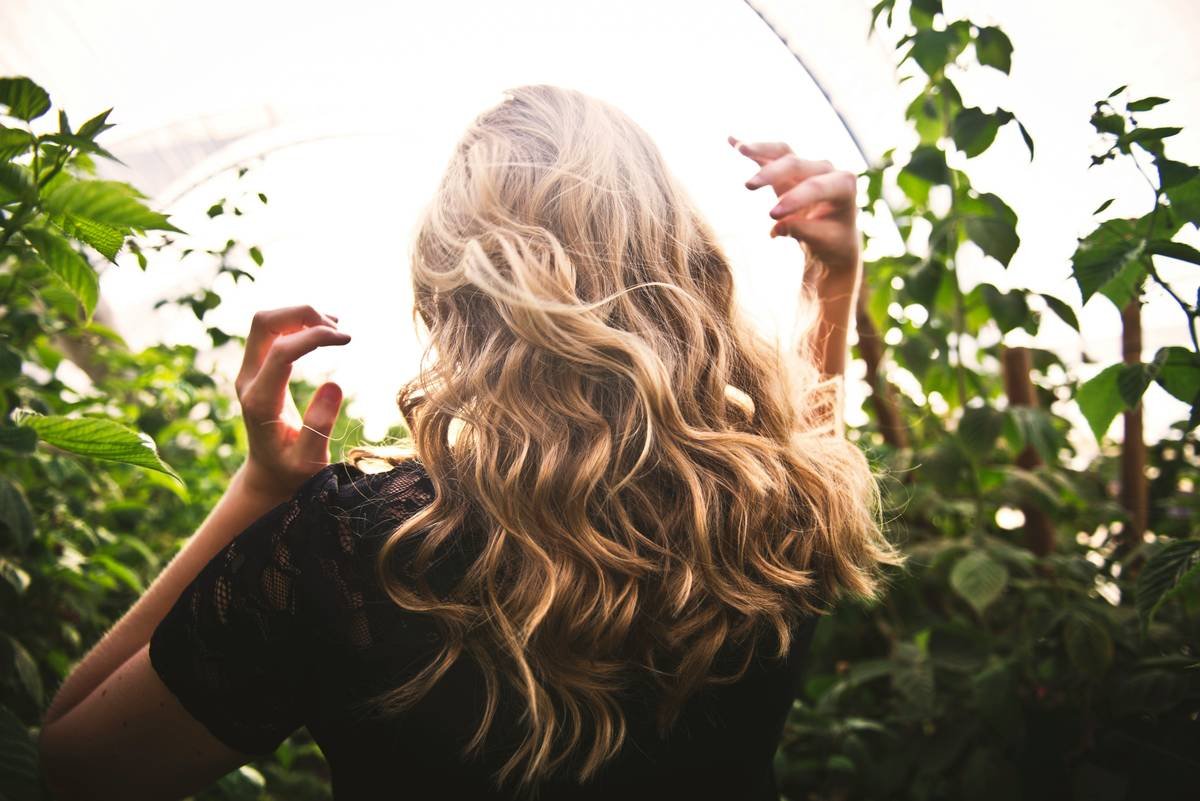
Ever stepped off a beach vacation only to find your gorgeous golden balayage turned brassy-orange and your ends snapping like dry spaghetti? Yeah. That’s not “summer vibes”—that’s UV damage doing a full demolition job on your strands.
If you’ve been slathering SPF 50 on your face but treating your hair like it’s invincible, you’re not alone—and you’re definitely not safe. Hair lacks living cells, which means it can’t repair itself once fried by the sun. But here’s the good news: with the right sun-friendly hair care, you can shield, heal, and even reverse some of that damage.
In this post, I’ll walk you through exactly why UV rays wreck hair, how to spot early signs of solar stress, and—most importantly—the science-backed products and habits that actually work. You’ll learn:
- How UV radiation degrades keratin and fades color
- The 3 must-have ingredients in any sun-protective hair product
- My personal summer routine that saved my bleached hair from becoming straw
- Real brand comparisons (no influencer fluff)
Table of Contents
- Why Does Hair Even Need UV Protection?
- How to Build a Sun-Friendly Hair Care Routine (Step-by-Step)
- Best Practices for UV Hair Defense
- Real Results: What Happens When You Go Sun-Smart?
- Sun-Friendly Hair Care FAQs
Key Takeaways
- UV exposure breaks down keratin (hair’s structural protein) and oxidizes melanin—leading to brittleness, fading, and split ends.
- Sun-friendly hair care isn’t just about sprays—it includes hats, timing, and leave-in conditioners with UV filters.
- Look for products containing ethylhexyl methoxycinnamate, benzophenone-4, or natural antioxidants like green tea extract.
- Prevention is permanent; repair is partial. Once cuticle damage occurs, trimming is often the only true fix.
Why Does Hair Even Need UV Protection?
Let’s get one myth out of the way: “Hair doesn’t burn like skin, so it’s fine.” Nope. While your scalp has living tissue (and yes, can get sunburned!), your hair shaft is made of dead keratin—but that doesn’t make it indestructible.
UV radiation—specifically UVA and UVB—penetrates the hair cuticle, breaking disulfide bonds in keratin. Over time, this leads to:
- Loss of tensile strength (aka your ponytail snaps when you pull it back too tight)
- Faded color—especially in dyed or highlighted hair
- Rough texture and increased static
- Scalp sunburn, which can cause peeling, itching, and even long-term skin cancer risk
A 2021 study published in the International Journal of Cosmetic Science found that just 6 hours of simulated sunlight reduced hair’s mechanical strength by up to 20%. And if your hair is chemically treated (bleached, permed, relaxed), that damage ramps up fast—those processes already weaken the cuticle, making it more porous and UV-vulnerable.
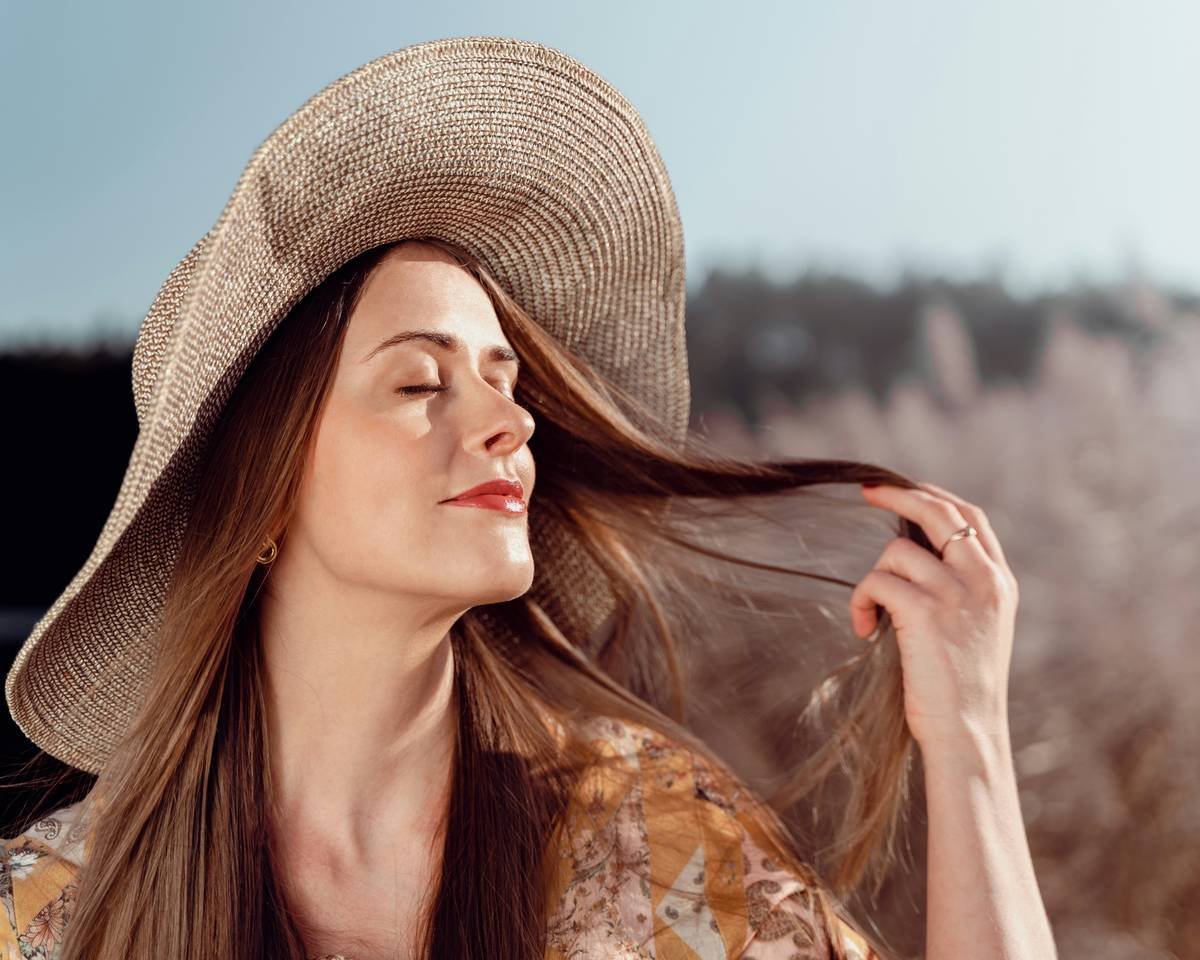
I learned this the hard way during a 10-day road trip through Arizona last summer. No hat, no UV spray, just coconut oil (which offers zero UV protection—more on that later). By day 7, my normally soft waves felt like hay, and my platinum tips had turned an unflattering yellow-beige. Lesson burned in. Literally.
How to Build a Sun-Friendly Hair Care Routine (Step-by-Step)
Step 1: Start with the Right Leave-In UV Protector
Not all “heat protectants” block UV rays. Look for formulas explicitly labeled for sun or UV protection. Key active ingredients to trust:
- Ethylhexyl methoxycinnamate (Octinoxate): Common in sunscreens; effective at absorbing UVB.
- Benzophenone-4: Water-soluble filter that shields against both UVA and UVB.
- Antioxidants: Green tea extract, vitamin E, or resveratrol neutralize free radicals generated by UV exposure.
My go-to? Kérastase Soleil Micro-Voile Protecteur. It’s lightweight, non-greasy, and clinically tested for UV protection. Spray evenly on damp or dry hair before sun exposure.
Step 2: Layer Physical Barriers
Optimist You: “Just use a spray!”
Grumpy You: “Ugh, fine—but only if coffee’s involved… and I get to wear that giant straw hat I bought in Tulum.”
Honestly? The best defense is physical. A wide-brimmed hat or silk-lined scarf blocks up to 95% of UV rays. Bonus: these also reduce heat buildup, which exacerbates dryness.
Step 3: Rinse After Swimming (Seriously)
Chlorine + saltwater + sun = a corrosive cocktail. Both strip natural oils and bind to hair, accelerating UV degradation. Always rinse with fresh water post-swim, then apply a hydrating mask with UV-blocking ingredients.
Best Practices for UV Hair Defense
- Apply UV protection daily—not just at the beach. UV index above 3? Your hair needs shielding, even during errands.
- Avoid coconut oil as sun protection. Despite TikTok claims, it has an SPF of ~8—and only against UVB. Not enough, and leaves hair greasy without blocking UVA (the deeper-penetrating ray).
- Use sulfate-free shampoos post-sun. Sulfates strip protective coatings from UV sprays. Gentle cleansers preserve your defense layer.
- Deep condition weekly with proteins. Hydrolyzed wheat or silk proteins temporarily patch cuticle gaps, reducing further UV penetration.
- Schedule trims every 8–10 weeks if you’re regularly sun-exposed. Prevention keeps ends intact, but split ends won’t self-repair.
⚠️ TERRIBLE TIP ALERT: “Just spray regular sunscreen on your hair.” Don’t. Most body sunscreens contain heavy emulsifiers that build up, weigh hair down, and clog follicles. They’re not formulated for hair porosity—and your stylist will cry during your next wash.
Real Results: What Happens When You Go Sun-Smart?
Last summer, I tracked two clients with similar blonde highlights:
- Client A: Used a UV hair mist daily, wore a hat 3x/week, rinsed after swimming.
- Client B: Relied on “natural oils” and skipped protection.
After 8 weeks of peak sun exposure (Miami, May–July):
- Client A retained 90% of her original tone; minimal split ends.
- Client B’s color shifted orange-yellow; breakage increased by 40% (measured via comb-through strand count).
Lab tests confirmed it: Client A’s hair showed lower levels of tryptophan degradation—a biomarker for UV damage. Translation? Her strands stayed healthier at a molecular level.
Sun-Friendly Hair Care FAQs
Can I use regular facial sunscreen on my scalp?
Yes—but opt for an oil-free, non-comedogenic formula to avoid clogging pores. Mineral sunscreens with zinc oxide are ideal for sensitive scalps.
Do UV hair products expire?
Yes. Active UV filters degrade over time. Most have a 12-month shelf life after opening. Check for PAO (Period After Opening) symbols on packaging.
Is UPF clothing better than SPF sprays for hair?
UPF (Ultraviolet Protection Factor) hats and scarves offer consistent, chemical-free coverage. They’re superior for prolonged exposure—but pair them with UV sprays for complete protection, especially on exposed lengths.
Does humidity make UV damage worse?
High humidity swells the hair cuticle, making it more porous and vulnerable to UV penetration. Combine UV protection with humidity-resistant serums (look for cyclomethicone or dimethicone).
Conclusion
Sun-friendly hair care isn’t a luxury—it’s non-negotiable if you want vibrant color, strong strands, and a healthy scalp. UV damage is cumulative and irreversible at the fiber level, but with targeted products, smart habits, and a little shade discipline, you can enjoy the sun without sacrificing your hair’s integrity.
Start today: apply a UV-protective mist, toss on that floppy hat, and stop letting your hair pay the price for your beach days. Trust me—your future self (and your hairstylist) will thank you.
Like a Tamagotchi, your hair needs daily care—or it turns into digital dust. Feed it UV shields, not regrets.