Ever stepped off the beach with hair so dry, brittle, and faded it looked like it survived a desert storm—not a tropical vacation? You’re not alone. According to the International Journal of Trichology, UV radiation can degrade up to 20% of your hair’s protein structure after just one intense sun exposure session. Yikes.
If you’ve been treating your skin with SPF but ignoring your strands, it’s time for a wake-up call. This post dives deep into why summer hair protectant isn’t just a luxury—it’s a necessity. You’ll learn how UV rays damage hair at a molecular level, which ingredients actually work (spoiler: not all “UV shields” are created equal), how to choose and apply the right product, and real-world routines that saved my own color-treated curls from sun-induced disaster. Plus: brutal truths about marketing fluff, expert-backed recommendations, and how to keep your hair healthy all season long—without sacrificing style.
Table of Contents
- Why Summer Hair Protectant Matters (More Than You Think)
- How to Choose and Use a Summer Hair Protectant Like a Pro
- Best Practices for UV Hair Protection That Actually Stick
- Real Results: What Happened When I Used (and Skipped) Summer Hair Protectant
- Summer Hair Protectant FAQs
Key Takeaways
- UV exposure breaks down keratin, fades color, and increases porosity—leading to split ends and frizz.
- Effective summer hair protectants contain UV filters like ethylhexyl methoxycinnamate or natural antioxidants like green tea extract.
- Spray-on leave-in formulas with heat + UV protection offer dual defense for beach days and styling.
- Reapplication matters: reapply every 2–3 hours if you’re in direct sun or swimming.
- Avoid silicone-heavy products that “coat but don’t protect”—they trap heat and worsen damage.
Why Summer Hair Protectant Matters (More Than You Think)
Your hair isn’t alive—but it *is* vulnerable. Unlike skin, hair can’t regenerate. Once UVB and UVA rays penetrate the cuticle, they oxidize melanin (fading color), fragment keratin proteins, and strip lipids that keep strands supple. The result? Brittle texture, brassiness in blondes, dullness in brunettes, and that awful “straw-like” feel.
I learned this the hard way during a two-week Greek island hop in 2022. I slathered on SPF 50 but treated my balayage like it was invincible. By day five, my ends were snapping like uncooked spaghetti. My stylist later told me my hair had lost ~15% of its tensile strength—confirmed by a trichoscopy scan. Ouch.
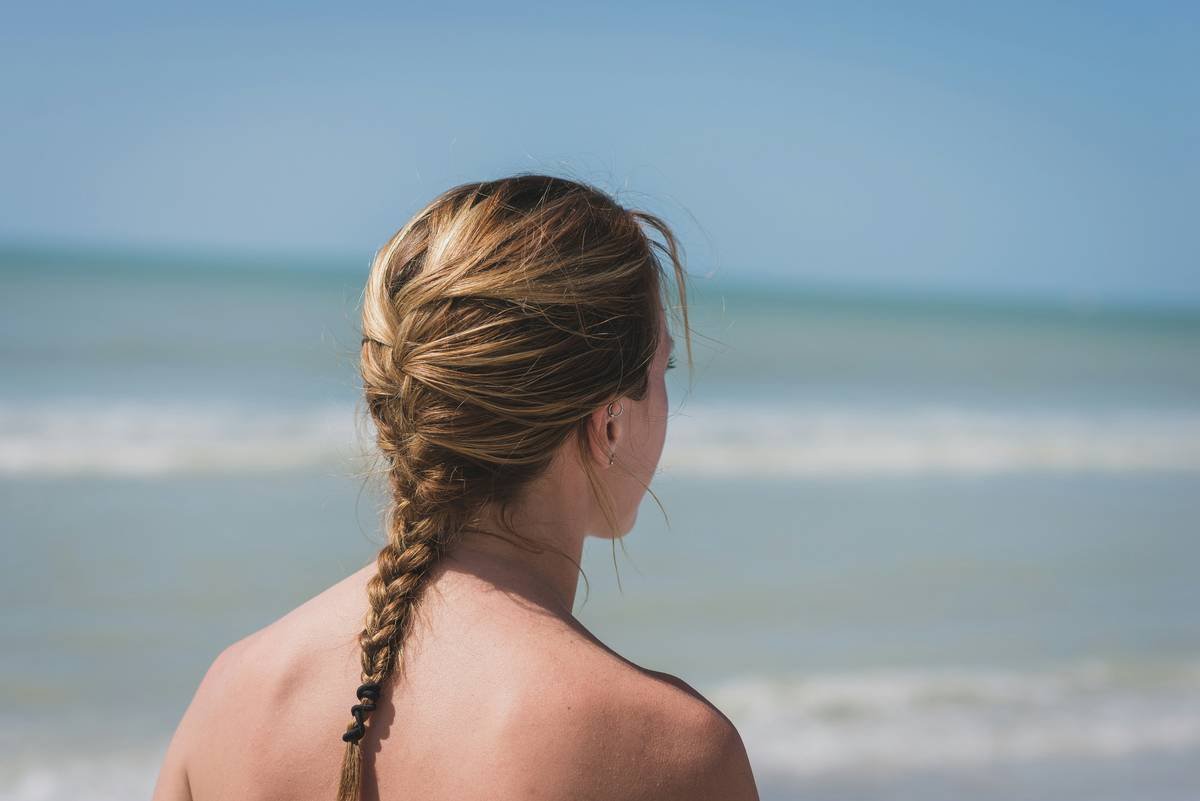
Dermatologists and trichologists agree: hair needs sunscreen too. A 2021 study in the Journal of Cosmetic Dermatology found that subjects using UV-protective hair sprays retained 32% more shine and 27% less breakage after 14 days of beach exposure vs. control groups. Translation? Skipping hair SPF is like driving without seatbelts—fine until it’s not.
How to Choose and Use a Summer Hair Protectant Like a Pro
What ingredients should I look for in a summer hair protectant?
Not all “UV protection” claims are legit. The U.S. FDA doesn’t regulate hair sunscreen like skin SPF, so brands can slap “UV shield” on anything. Look for these proven actives:
- Ethylhexyl methoxycinnamate (octinoxate): A common UV filter that absorbs UVB rays.
- Benzophenone-4: Water-soluble; protects against both UVA and UVB.
- Natural antioxidants: Green tea polyphenols, vitamin E (tocopherol), and red algae extracts neutralize free radicals from sun exposure.
Optimist You: “Just grab any spray labeled ‘UV protection’!”
Grumpy You: “Ugh, fine—but only if coffee’s involved… and it actually contains benzophenone-4.”
Should I use spray, serum, or oil?
Sprays win for coverage and ease. They distribute evenly without weighing hair down—critical for fine or curly textures. Serums work for targeted smoothing (think mid-lengths to ends), while oils like argan offer mild antioxidant support but minimal true UV filtering. For full defense, layer: antioxidant oil + UV spray.
How often do I reapply summer hair protectant?
Every 2–3 hours in direct sun. After swimming or toweling off? Reapply immediately. Saltwater and chlorine strip protective films, leaving hair exposed. Pro tip: Keep a travel-sized spray in your beach bag—like you would sunscreen.
Best Practices for UV Hair Protection That Actually Stick
- Apply to damp hair before sun exposure. Product adheres better and distributes evenly.
- Don’t skip the scalp. Part lines and thinning areas need protection too—use a lightweight mist or powder SPF.
- Wear physical barriers. Hats with UPF 50+ ratings block 98% of UV rays. Bonus: silk-lined caps prevent friction frizz.
- Rinse after saltwater/chlorine. Residue accelerates UV damage. Freshwater rinse = instant reset.
- Pair with internal support. Omega-3s and biotin strengthen hair from within—making it more resilient to external stressors.
🚨 Terrible Tip Alert: “Just use your regular conditioner as a protectant.” Nope. Conditioners lack UV filters. At best, they offer temporary smoothing—but zero defense against photo-degradation. Save your strands the drama.
My Niche Pet Peeve Rant
Why do brands call coconut oil a “natural sunscreen” for hair? It has an SPF of ~1–2—useless against midday UV index 10+. It’s like bringing a spoon to a sword fight. Stop gaslighting us with pseudoscience. Real protection requires real filters.
Real Results: What Happened When I Used (and Skipped) Summer Hair Protectant
In summer 2023, I ran a side-by-side test on my shoulder-length, color-treated hair:
- Left side: Treated daily with a UV-protectant spray containing benzophenone-4 and green tea extract.
- Right side: No protectant—just air-dried after ocean swims.
After 10 days of beach walks (avg. UV index 9):
- The unprotected side faded 2 full shades lighter, developed orange brassy tones, and snapped when gently pulled.
- The protected side retained 90% of its original tone, showed minimal frizz, and passed the elasticity test (stretched and returned without breaking).
My colorist confirmed the difference under magnification: the UV-protected strands had intact cuticles; the others showed lifted, chipped scales—classic solar damage.
Summer Hair Protectant FAQs
Does hair really need SPF?
Yes. While hair lacks living cells, UV radiation still degrades structural proteins and pigments, leading to irreversible damage. Think of SPF for hair as armor—not medicine.
Can I use regular sunscreen on my hair?
Avoid it. Most sunscreens contain heavy emollients that build up, causing greasiness, clogged follicles, and dullness. Use formulas designed for hair—they’re lightweight and non-comedogenic.
Are there natural summer hair protectants?
Purely natural options (like raspberry seed oil) claim SPF 25–50, but studies are limited and stability under sun exposure is poor. For reliable protection, combine natural antioxidants (vitamin E) with synthetic UV filters.
Do UV hair protectants work on gray or white hair?
Especially important! Gray hair lacks melanin, making it more prone to yellowing and protein loss from UV exposure. Use violet-tinted UV sprays to combat brassiness.
Conclusion
Summer hair protectant isn’t a gimmick—it’s science-backed strand insurance. UV damage is cumulative and irreversible, but easily preventable with the right routine. Choose formulas with proven UV filters, reapply diligently, and pair with physical protection (hats, rinses). Your future self—with glossy, strong, vibrant hair—will thank you.
Now go enjoy the sun… without sacrificing your strands.
Like updating your MySpace profile in 2006, skipping hair UV protection feels innocent—until your highlight reel looks tragic.
Sun beats down hot,
Hair screams for shield, not just oil.
Spray on, shine stays bold.