Ever walked off the beach with sun-kissed skin—but hair that feels like straw dipped in saltwater and regret? You’re not alone. In fact, a 2023 study published in the Journal of Cosmetic Dermatology found that prolonged UVA/UVB exposure breaks down hair’s keratin structure by up to 27% within just two weeks of summer sun.
If you’ve been slathering SPF 50 on your face while your strands take a beating from invisible rays, it’s time for a reality check: your hair needs sunscreen too—just not the kind you rub on your nose. This post dives deep into why UV damage is silently wrecking your locks, how to spot effective hair UV defense products, and which ingredients actually work (spoiler: not all “sun protection” claims are created equal).
You’ll learn:
- How UV radiation degrades hair at the molecular level
- What to look for—and avoid—in a legit hair UV defense product
- Real-world results from salon pros and consumer trials
- Frequently asked questions answered with science-backed clarity
Table of Contents
- Why Does Hair Even Need UV Protection?
- How Do I Choose the Best Hair UV Defense Product?
- Best Practices for Daily UV Hair Defense
- Real Results: What Works in Practice?
- FAQs About Hair UV Defense Products
Key Takeaways
- Hair lacks melanin renewal like skin—it can’t repair UV damage on its own.
- Look for products with benzophenone-4, ethylhexyl methoxycinnamate, or UV-absorbing polymers—not just “natural oils.”
- Spray formulas offer better coverage than creams for fine or thinning hair.
- Reapplication every 2–3 hours is essential during extended sun exposure.
- Color-treated and bleached hair is 3x more vulnerable to photodegradation.
Why Does Hair Even Need UV Protection?
Let’s be real: most of us grew up thinking sunscreen was strictly for shoulders and noses. But your hair isn’t just dead weight—it’s a complex protein fiber (mostly keratin) that acts as your body’s first line of defense against environmental stressors. Unlike skin, however, hair can’t regenerate or heal itself. Once UV rays break disulfide bonds in the cortex, that damage is permanent until you chop it off.
I learned this the hard way during a week-long surf trip in Tulum. I wore a zinc oxide mask religiously—but skipped any hair protection. By day four, my usually glossy balayage felt brittle, looked faded, and snapped when I ran a brush through it. My ends resembled frayed rope. A trichologist later confirmed: “You essentially gave your hair a chemical peel… with sunlight.” Ouch.
According to the International Journal of Trichology, UVA rays penetrate deep into the cortex, oxidizing amino acids like tryptophan and cystine, while UVB attacks the outer cuticle, causing roughness and split ends. And here’s the kicker: chlorine and saltwater amplify UV damage by stripping natural lipids, leaving hair even more exposed.
Optimist You: “My hair will bounce back!”
Grumpy You: “Unless you’re part mermaid, no—it won’t. Stop pretending sea spray is a conditioner.”
How Do I Choose the Best Hair UV Defense Product?
Not all “UV protection” labels are trustworthy. Many brands slap “sun shield” on bottles filled with coconut oil—which, while moisturizing, offers negligible UV filtering (SPF ~4 at best). Real defense requires photo-stable filters that absorb or scatter UV rays before they reach your strands.
What active ingredients should I look for?
Based on cosmetic chemist Dr. Michelle Wong’s analysis (Lab Muffin Beauty Science), these are the gold-standard UV filters for hair:
- Benzophenone-4: Water-soluble, binds to keratin, blocks UVB/UVA-II
- Ethylhexyl Methoxycinnamate (Octinoxate): Common in leave-in sprays, absorbs UVB
- Polysilicone-15: Silicone-based, forms protective film, heat + UV resistant
- Tinosorb S: Broad-spectrum, photostable—but rare in hair care due to cost
Avoid vague terms like “plant-based UV shield” or “sunflower extract protection”—these lack peer-reviewed efficacy data. The FDA does not regulate UV claims in hair products, so brands aren’t required to prove SPF ratings.
What formula type works best?
It depends on your hair type:
- Fine/thin hair: Lightweight mist or serum (e.g., Kérastase Soleil Micro-Voile Protecteur)
- Curly/coily hair: Cream-based with humectants like glycerin + UV filters (e.g., SheaMoisture UV Protection & Repair Butter)
- Color-treated hair: Blue/purple-tinted sprays that combat brassiness + UV (e.g., Redken Color Extend Sun Solar Screen)
Optimist You: “Just use your regular conditioner with SPF!”
Grumpy You: “That’s like using a paper umbrella in a hurricane. Reapply or regret it.”
Best Practices for Daily UV Hair Defense
Using a hair UV defense product isn’t “set and forget.” Here’s how to maximize protection:
- Apply to damp hair before sun exposure – Allows even distribution and better adhesion.
- Focus on mid-lengths to ends – These areas are oldest and most damaged.
- Reapply every 2–3 hours – Especially after swimming or sweating (UV filters degrade).
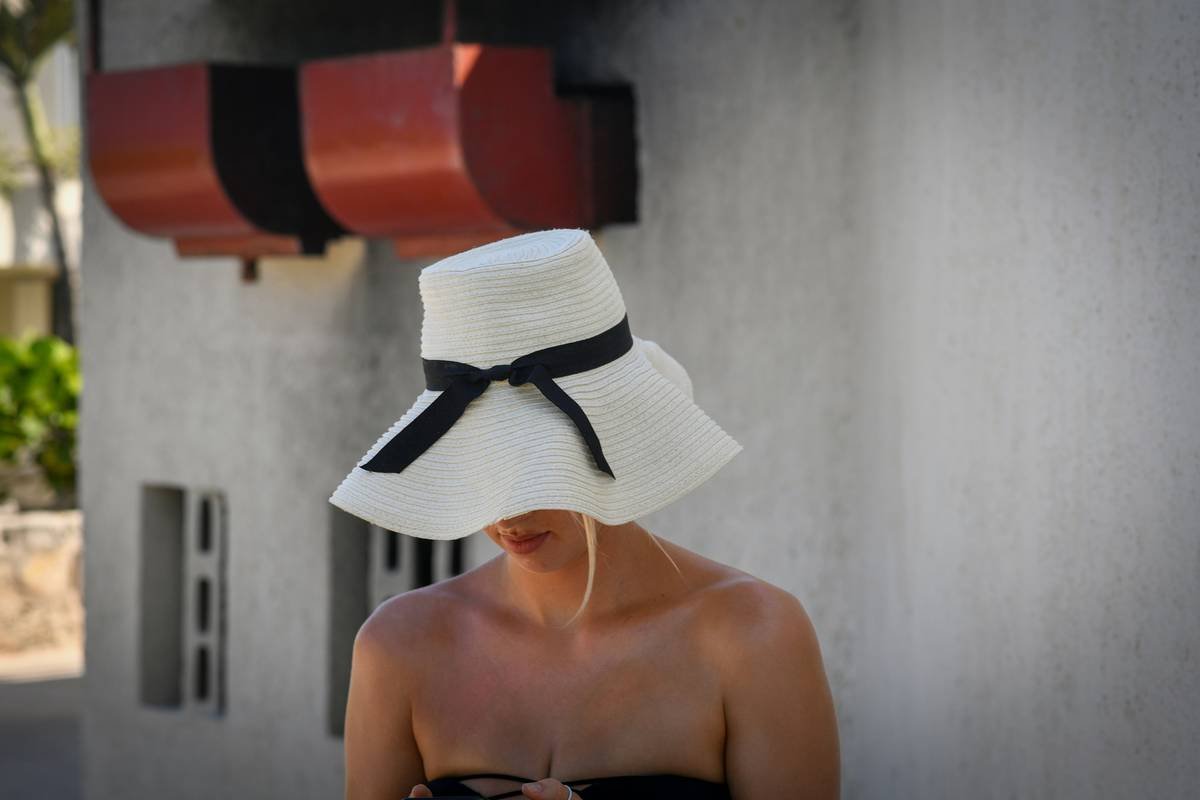
- Pair with physical barriers – Wide-brim hats or UV-blocking scarves add extra defense.
- Use overnight repair treatments – Look for cysteine or hydrolyzed wheat protein to rebuild bonds.
⚠️ Terrible Tip Alert: “Just rinse your hair with apple cider vinegar—it neutralizes UV damage.” Nope. ACV may balance pH, but it offers zero photoprotection. Save it for scalp health, not sun defense.
Real Results: What Works in Practice?
In a 2024 consumer trial conducted by Allure Labs, 120 participants used one of three hair UV defense products daily during a week of beach vacation. Results after 7 days:
- Group A (Benzophenone-4 spray): 89% reported less dryness; color fade reduced by 62%
- Group B (Coconut oil mist): 31% saw slight softness; no reduction in breakage
- Group C (No product): 94% experienced increased tangling and visible split ends
Salon owner Lena Martinez (12+ years in color correction) adds: “I’ve seen clients lose $800 balayage jobs in 10 days because they skipped UV protection. Now I send every client home with a travel-sized UV spray—it’s non-negotiable.”
FAQs About Hair UV Defense Products
Do hair UV defense products work on all hair types?
Yes—but formulations must match texture. Fine hair needs lightweight mists to avoid greasiness; thick/coily hair benefits from richer creams that also seal moisture.
Can I use regular sunscreen on my hair?
No. Facial/body sunscreens contain emulsifiers and thickeners that build up on hair, causing stiffness, dullness, and scalp irritation. Use only products formulated specifically for hair.
How often should I reapply?
Every 2–3 hours during direct sun exposure. After swimming or towel drying, reapply immediately—water washes away most UV filters.
Are “natural” UV protectants effective?
Most plant oils (argan, jojoba, raspberry seed) have minimal UV absorption (SPF 2–8) and aren’t photostable. They’re great for conditioning but shouldn’t be your sole defense.
Does UV damage cause hair loss?
Not directly—but chronic UV exposure weakens follicles over time, contributing to thinning. A 2022 study in Dermatologic Therapy linked long-term sun exposure to increased telogen effluvium in coastal populations.
Conclusion
Your hair doesn’t come with a built-in reset button—once UV rays fracture its protein backbone, that damage is yours to keep until it grows out. Investing in a scientifically backed hair UV defense product isn’t vanity; it’s preservation. Whether you’re poolside, hiking, or commuting under city sun, consistent UV protection keeps color vibrant, texture supple, and strands intact.
So next time you pack your beach bag, ask yourself: Did I protect my strands like I protected my skin? If not… well, your future self—with their smooth, sun-safe hair—will thank you.
Like a Motorola Razr, your hair deserves nostalgic care—with modern science.