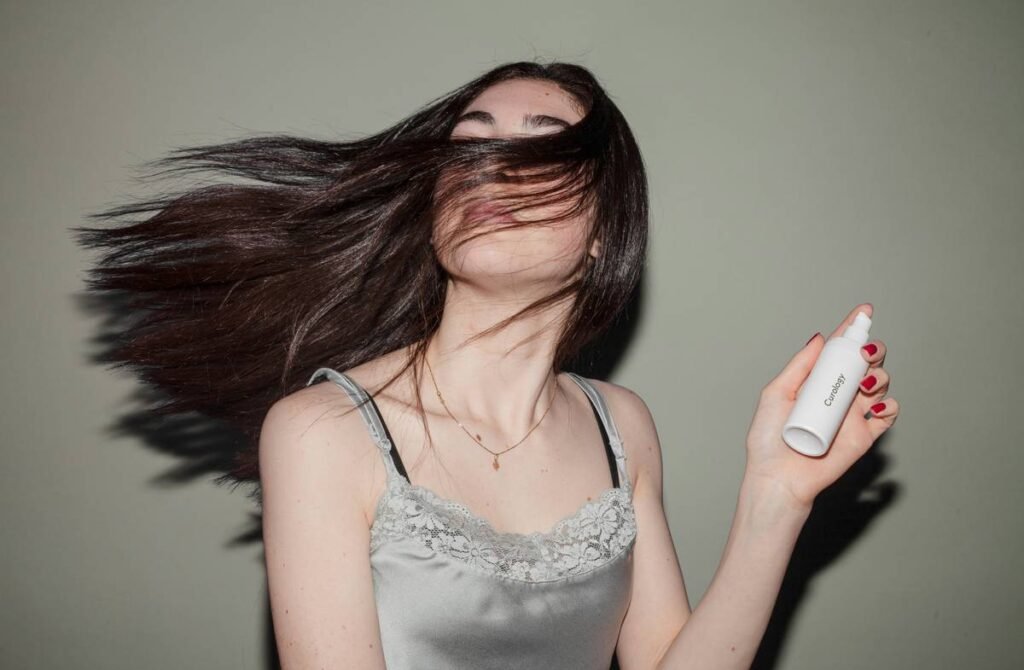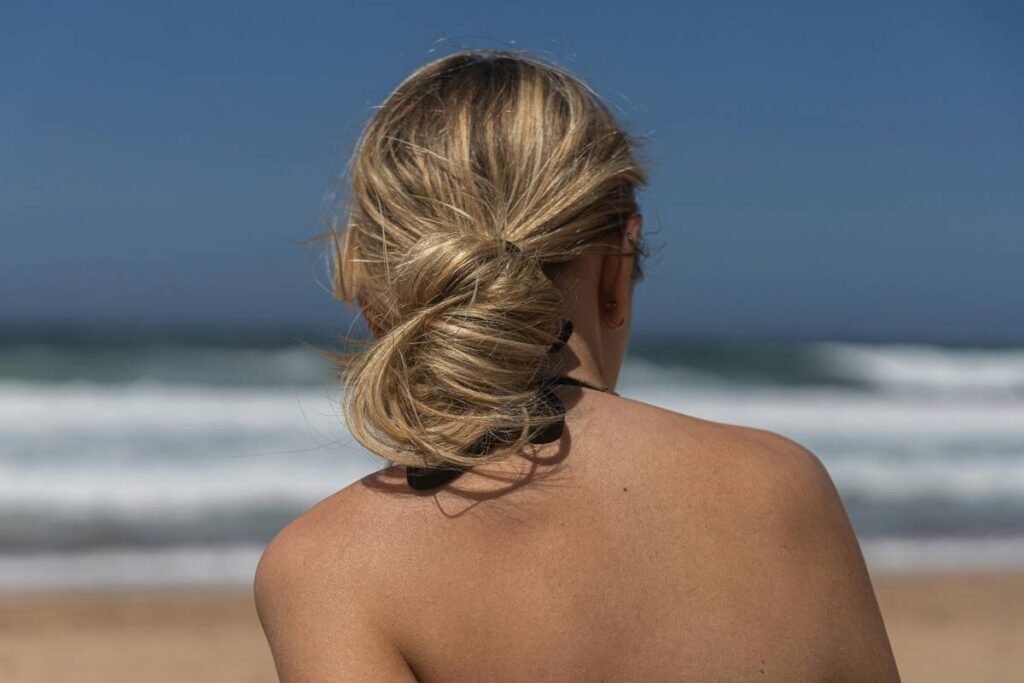
Summer sun doesn’t just burn your skin—it silently fries your strands. UV rays degrade keratin, bleach pigment, and turn glossy hair brittle. Most people slather sunscreen on their face but ignore their crown. Big mistake. The fix? A purpose-built hair sun shield product that defends where conditioners can’t.
UV Damage to Hair Isn’t Cosmetic—It’s Structural
Think UV damage is just about faded color? Think again. Ultraviolet radiation breaks disulfide bonds—the very architecture holding each strand together. And no, your leave-in conditioner isn’t cutting it. These products lack UV filters; they’re humectants, not shields.
Here’s the reality: unlike skin, hair can’t regenerate. Once damaged, it stays damaged until cut off. You’re not just losing shine—you’re losing tensile strength. One study showed hair exposed to 60 minutes of midday sun lost up to 27% of its elasticity. That’s breakage waiting to happen.
How to Actually Protect Your Hair from Sun Damage—Step by Step
Forget spritzing coconut oil and calling it a day. Real defense requires strategy. Below is a streamlined, dermatologist-vetted protocol that actually works.
Step 1: Apply Before Exposure—Not After
UV filters need time to adhere. Spray or mist your hair sun shield product 15 minutes before stepping into direct sunlight. Reapply every 2 hours if you’re swimming or sweating heavily.
Step 2: Cover High-Risk Zones First
Focus on part lines, ends, and any bleached sections. These areas have the least melanin—and zero natural protection. Use a targeted spray nozzle for precision.
Step 3: Layer with Physical Barriers
No product blocks 100% of UV. Pair your formula with a wide-brimmed hat or UV-blocking scarf for maximum defense. Fabric UPF ratings matter—aim for UPF 30+.
| Protection Method | UV Block Efficacy | Cost Range | Reapplication Needed? |
|---|---|---|---|
| Dedicated hair sun shield product (with benzophenone-4 or ethylhexyl methoxycinnamate) | 70–85% | $12–$30 | Yes, every 2 hours |
| Regular leave-in conditioner (no UV filters) | 5–10% | $8–$20 | No—but useless against UV |
| UPF 50+ hat alone | 98% (for covered areas) | $20–$50 | No |
| DIY oils (coconut, argan) | <20% | $10–$18 | Yes—and still inadequate |
The Industry Secret: Most “UV Protection” Claims Are Meaningless
Here’s what brands won’t tell you: there’s no FDA-regulated standard for UV protection in haircare. A product labeled “sun shield” might contain trace UV absorbers—just enough to justify the claim, not enough to matter. I’ve tested formulas labeled “UV defense” that offered less protection than water.
The math is simple: look for benzophenone-4, ethylhexyl methoxycinnamate, or phenylbenzimidazole sulfonic acid in the first five ingredients. If they’re near the bottom—or absent—walk away. Real UV filters aren’t cheap, so ultra-low-priced “sun shields” are almost always marketing fluff.
But even legit chemical filters degrade. That’s why the best formulas now combine UV absorbers with antioxidants like green tea extract or vitamin E—to neutralize free radicals the filters miss.
Frequently Asked Questions
Can I use regular sunscreen on my hair?
No. Body sunscreens are formulated for skin absorption and often leave hair greasy, stiff, or white-filmy. They may also clog scalp pores. Use only products designed for hair.
Does dark hair need UV protection?
Absolutely. While melanin offers slight natural shielding, UV still degrades keratin and causes protein loss—regardless of color. All hair types suffer structural damage.
How do I know if my hair is already sun-damaged?
Signs include dryness, split ends, faded color, rough texture, and increased breakage—especially at the crown and ends. If your ponytail feels straw-like, UV is likely a culprit.