Ever left the beach with crispy, straw-like strands that snap before they swish? You slathered SPF 50 on your face—but forgot your hair wasn’t just along for the ride. It was getting sunburned too.
If you think “hair sunscreen” sounds like a TikTok gimmick dreamed up by an influencer mid-glow-up… think again. UV damage doesn’t stop at your scalp—it ravages your cuticle, fades color faster than a cheap highlighter, and can even sabotage regrowth. This post cuts through the marketing fluff to give you science-backed, stylist-tested truths about protecting your hair from solar assault.
You’ll learn why UV rays wreck your strands, how to pick a legit hair sunscreen that actually works (not just fancy water), real-life routines from color-treated and curly-haired folks, and—yes—even what happens if you skip it entirely. No jargon dumps. Just actionable advice from someone who’s fried their own hair one too many summers ago.
Table of Contents
- Why Does Hair Even Need UV Protection?
- How to Choose & Use Hair Sunscreen Like a Pro
- Best Practices Beyond the Bottle
- Real People, Real Results: Case Studies
- Hair Sunscreen FAQs—Answered Honestly
Key Takeaways
- UV radiation degrades keratin, strips natural oils, and accelerates color fade—especially in bleached or chemically treated hair.
- True “hair sunscreen” contains UV filters like ethylhexyl methoxycinnamate or benzophenone-4—not just oils or silicones masquerading as protection.
- Apply before sun exposure, reapply after swimming/sweating, and pair with physical barriers (hats, scarves) for full defense.
- Scalp health matters: UV damage can impair follicle function and contribute to thinning over time.
- Not all sprays are equal—avoid alcohol-heavy formulas that dry out already vulnerable strands.
Why Does Hair Even Need UV Protection?
Let’s get real: your hair isn’t alive. But that doesn’t make it invincible. Each strand is made of keratin—a protein structure that UVB and UVA rays break down like acid on limestone. According to a 2021 study published in the International Journal of Cosmetic Science, just 6 hours of direct sun exposure can reduce hair’s tensile strength by up to 20%. Translation? Your ends go from glossy to brittle faster than you can say “beach day.”
I learned this the hard way during a week-long music festival in Coachella Valley. I’d just gotten balayage—soft caramel ribbons woven through my brunette base. By Day 3, those ribbons weren’t golden. They were brassy, dry, and snapping off when I brushed them. My stylist later told me: “You basically gave your highlights a sunburn.” Ouch.
And it’s not just aesthetics. Chronic UV exposure compromises the cuticle—the outer shield of your hair—which leads to moisture loss, frizz, and split ends. Worse? The scalp isn’t exempt. Dermatologists confirm that prolonged sun exposure without protection can cause sunburn on the scalp (yes, really), DNA damage to follicles, and may even contribute to long-term thinning, especially in people with fine or thinning hair (Journal of the American Academy of Dermatology, 2020).
How to Choose & Use Hair Sunscreen Like a Pro
What actually makes a product a true “hair sunscreen”?
Optimist You: “Just spray something shiny and call it a day!”
Grumpy You: “Ugh, fine—but only if it contains actual UV filters, not coconut oil pretending to be SPF.”
Here’s the deal: real hair sunscreen must contain photostable UV absorbers. Look for these actives on the label:
- Ethylhexyl methoxycinnamate (Octinoxate) – absorbs UVB rays
- Benzophenone-4 – broad-spectrum (UVA/UVB) water-soluble filter
- Phenylbenzimidazole sulfonic acid – gentle, effective for sensitive scalps
Avoid products that list “natural UV protection” from raspberry seed oil or shea butter—these offer minimal SPF (usually under 5) and aren’t proven to prevent cumulative damage (Cosmetics journal, 2022).
Step-by-step application guide
- Pre-treat damp or dry hair – apply evenly from mid-lengths to ends (and scalp if exposed). Don’t forget part lines!
- Use 30 minutes before sun exposure – gives filters time to bind to the hair shaft.
- Reapply every 2 hours – or immediately after swimming, sweating heavily, or towel-drying.
- Layer with heat protectant if styling – UV + blow dryer = double damage.
Best Practices Beyond the Bottle
Hair sunscreen isn’t a magic force field. Pair it with these expert-backed habits:
- Wear wide-brimmed hats or UPF scarves – Physical barriers block 98%+ of UV rays (UPF 50+ rated fabrics are ideal).
- Rinse after saltwater or chlorine – these amplify UV damage by creating free radicals on the hair surface.
- Deep condition weekly – UV-weakened hair needs extra lipid replenishment (think ceramides, argan oil, or hydrolyzed wheat protein).
- Avoid alcohol-heavy sprays – They evaporate quickly but leave hair parched. Check for “alcohol denat” high in the ingredients list.
Real People, Real Results: Case Studies
Case 1: The Balayage Survivor**
Sarah, 29, fair-skinned with shoulder-length highlighted hair, used to lose 80% of her blonde tones by August. After switching to a benzophenone-4-based spray (reapplied every swim), her color lasted 6 weeks longer. Her stylist noted “noticeably less mid-shaft porosity” during her next gloss treatment.
Case 2: Curly Hair in Florida Humidity**
Jamal, 34, Type 4C coils, struggled with dryness and shedding every summer. He started applying a lightweight, alcohol-free hair sunscreen with UV filters plus wearing a cotton-linen sun hat. Within two months, his retention improved—his curl pattern bounced back without relying solely on heavy butters.
Hair Sunscreen FAQs—Answered Honestly
Can I use regular face sunscreen on my hair or scalp?
No. Facial sunscreens often contain comedogenic oils or thick emulsifiers that weigh hair down and clog scalp follicles. Plus, they’re not formulated to adhere to keratin—so they rinse off instantly with sweat.
Do darker hair colors need UV protection?
Absolutely. While melanin offers *some* natural shielding, it doesn’t prevent protein degradation or cuticle erosion. Plus, dark dyes fade into muddy, ashy tones under UV stress.
Will hair sunscreen make my hair greasy?
Not if you choose wisely. Spray and mist formulas with volatile silicones (like cyclomethicone) evaporate cleanly. Avoid cream-based “leave-ins” labeled as sunscreen—they’re usually moisturizers with token UV filters.
Is there such a thing as “SPF for hair”?
Technically, no standardized SPF rating exists for hair products (unlike skin). But brands using validated UV filters in effective concentrations (0.5–3%) do provide measurable protection—just don’t expect an official number on the label.
Conclusion
Your hair endures daily environmental abuse—and UV rays are among the sneakiest offenders. A quality hair sunscreen isn’t vanity; it’s preservation. By choosing products with proven UV filters, applying them correctly, and combining them with smart sun habits, you protect both your strands’ integrity and your scalp’s long-term health.
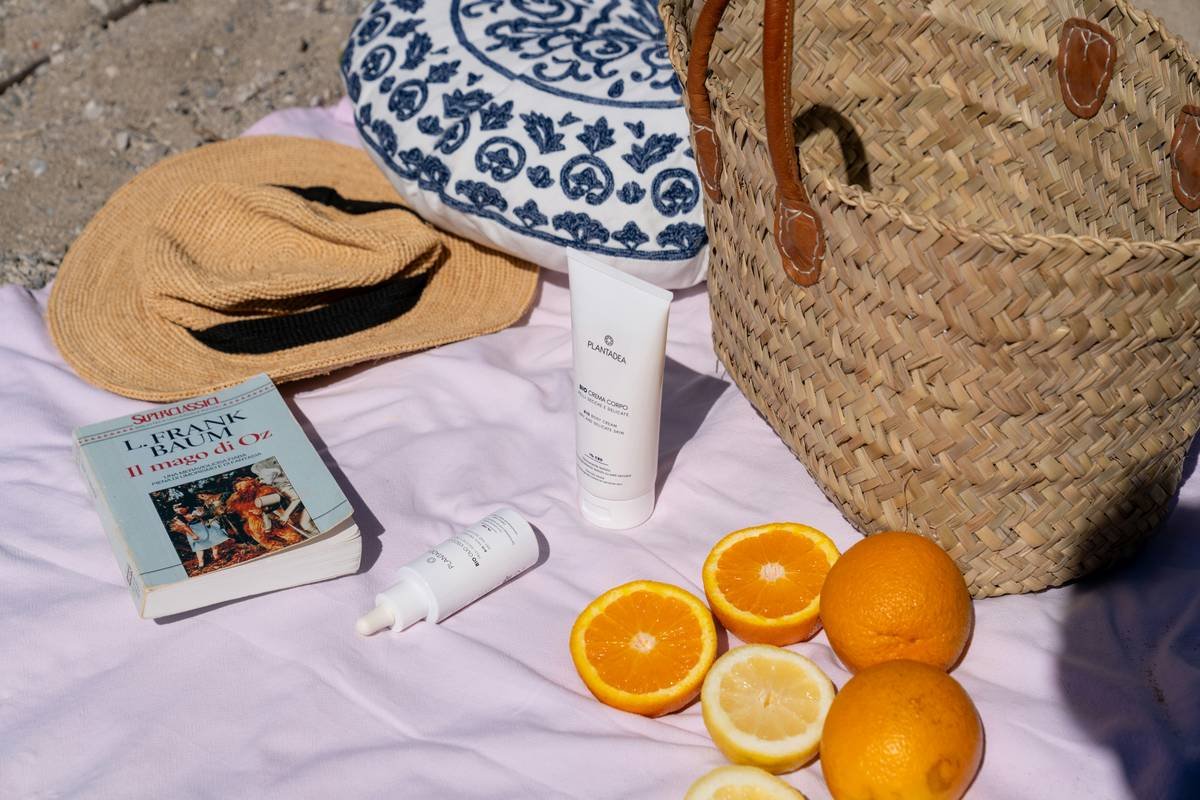
So next time you pack your beach bag, toss in that UV spray beside your mineral SPF. Your future self—breezing through fall with intact color, bounce, and zero split ends—will thank you.
Like a Tamagotchi, your hair needs daily care… except this one won’t die if you forget to feed it—but it might turn into hay.
Haiku:
Sun climbs, hair sighs,
Cuticle cracks in the light—
Spray shield, softness stays.