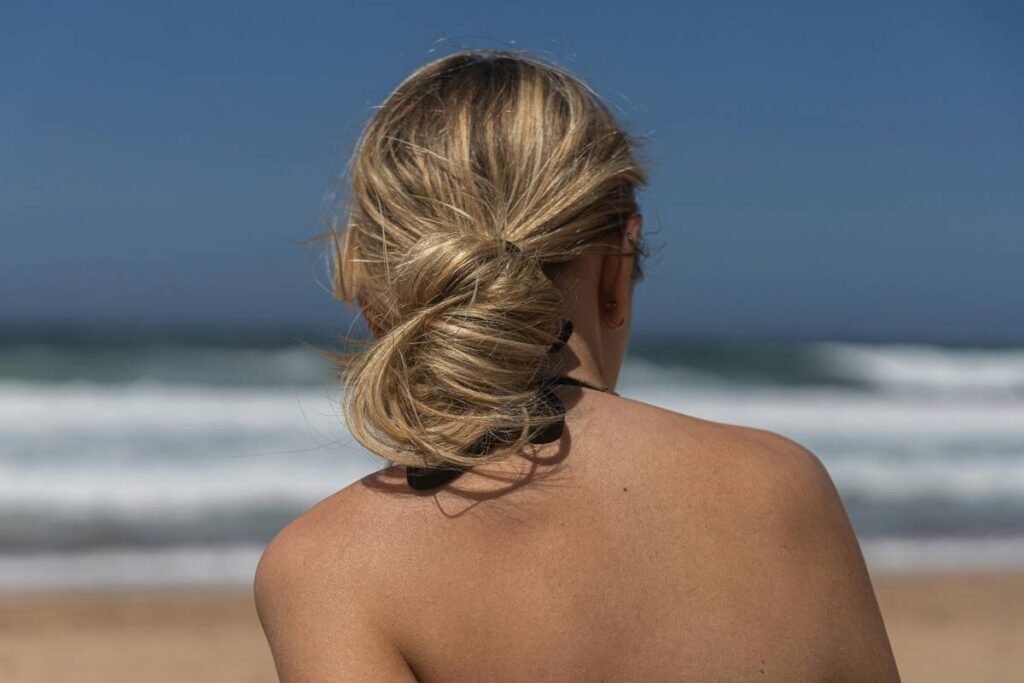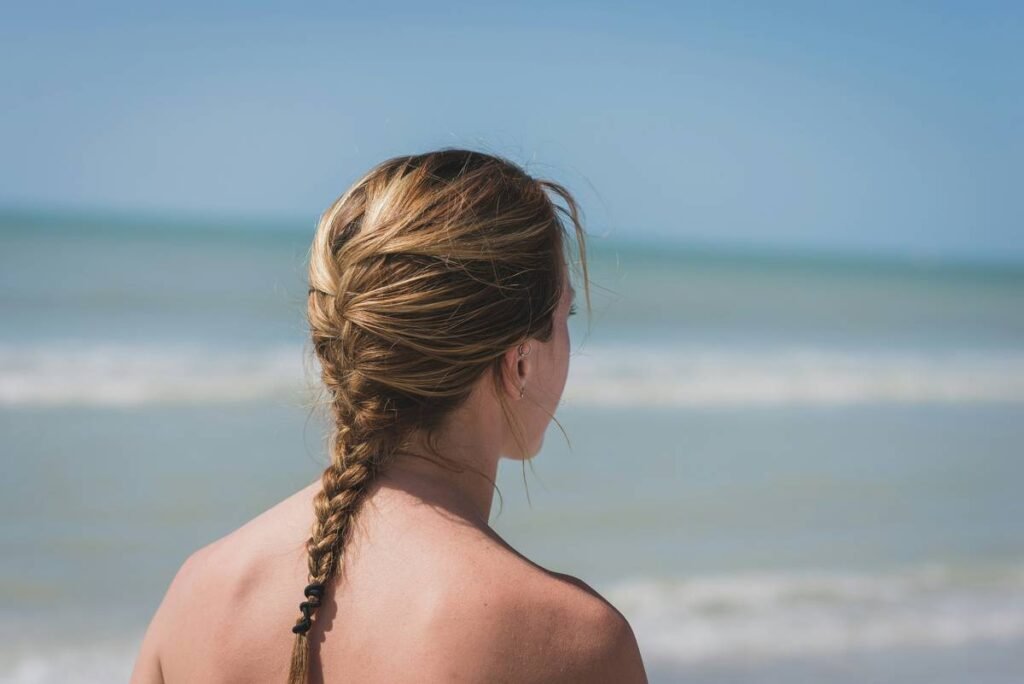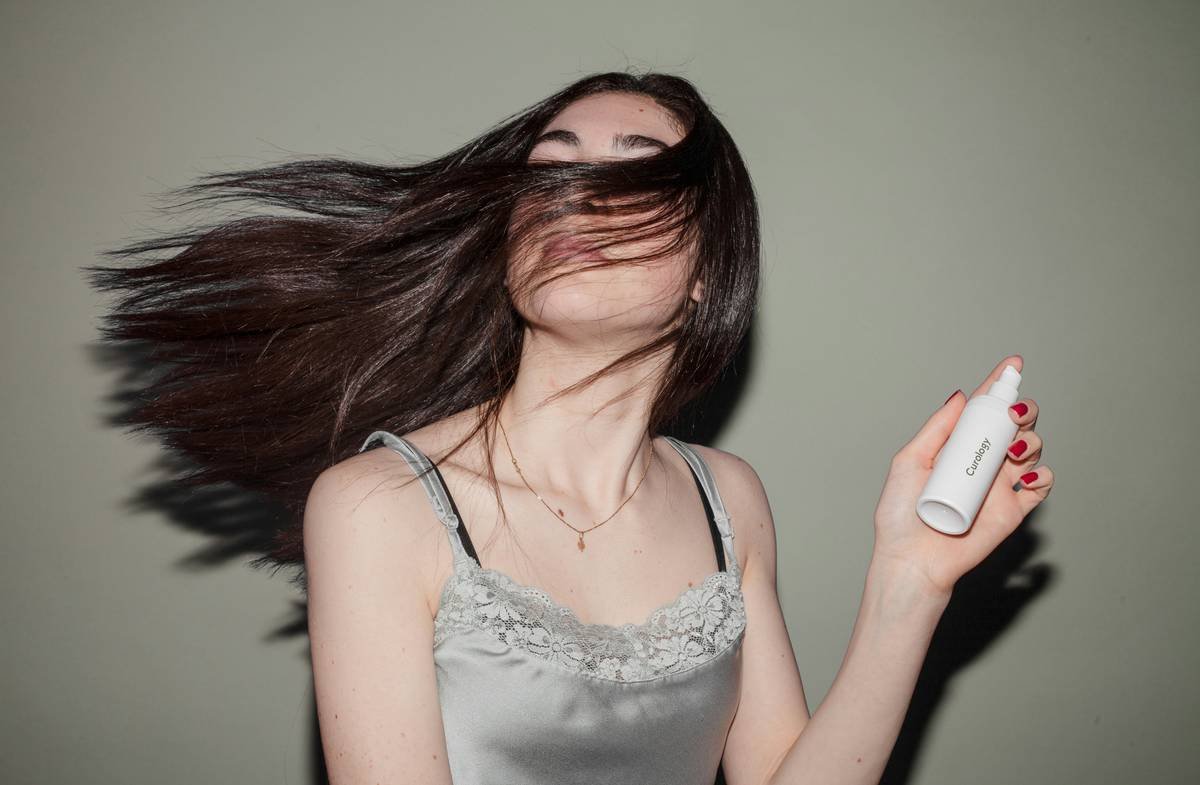
Ever stepped off the beach with sun-kissed skin—but hair that feels like straw, looks faded, and snaps when you run a brush through it? You’re not imagining it. UV rays don’t just fry your scalp; they degrade keratin, bleach pigment (even dyed hair!), and zap moisture faster than a desert breeze. And no—your SPF 50 face sunscreen won’t cut it for strands.
In this post, you’ll discover exactly why a hair sun shield isn’t a luxury but a non-negotiable in your summer routine. We’ll break down how UV damage silently sabotages hair health, walk you through choosing science-backed protection (not just marketing fluff), share pro tips from salon stylists, and even call out one “natural” hack that’s secretly wrecking your ends. Let’s turn brittle back into bouncy.
Table of Contents
- Why Does Hair Even Need UV Protection?
- How to Choose the Right Hair Sun Shield
- Best Practices for Daily Hair UV Defense
- Real Results: Before & After Using a Hair Sun Shield
- Hair Sun Shield FAQs
Key Takeaways
- UV radiation breaks down hair’s keratin protein and fades color—especially in bleached or gray hair.
- Not all “sun protection” sprays work; look for UV filters like benzophenone-4, ethylhexyl methoxycinnamate, or natural antioxidants like red raspberry seed oil.
- Hair sun shields should be reapplied every 2–3 hours during prolonged sun exposure—just like skin sunscreen.
- Wearing a hat alone isn’t enough; UV reflects off sand and water, hitting hair from below.
- Avoid the “coconut oil = SPF” myth—it offers minimal UV absorption and can actually increase heat retention, worsening damage.
Why Does Hair Even Need UV Protection?
“Hair doesn’t sunburn—it’s dead!” Wrong. While the hair shaft itself is technically non-living, its structural integrity relies on proteins (mainly keratin) and lipids that UV rays obliterate. According to a 2021 study published in the International Journal of Cosmetic Science, just 6 hours of midday sun exposure can reduce hair’s tensile strength by up to 20% and increase porosity dramatically—making it prone to split ends, frizz, and breakage.
Dyed hair? You’re extra vulnerable. UV radiation oxidizes artificial pigments, causing brassy tones in blondes and dullness in brunettes. Gray or white hair lacks melanin—the natural UV absorber—so it yellows faster under sun exposure. And your scalp? Thin-haired or receding? It absolutely can burn, increasing long-term skin cancer risk (yes, scalp melanoma is real—per the Skin Cancer Foundation).

I learned this the hard way during a week in Tulum last summer. I slathered on reef-safe SPF, wore my wide-brim, and thought I was golden. My hair? Looked like a parched broom by day four—straw-textured, faded caramel highlights turned orange, and shedding like I’d run through a wind tunnel. Lesson burned (literally): Skin isn’t the only thing that needs shielding.
How to Choose the Right Hair Sun Shield
Not all “UV protectant” labels are created equal. Some products rely solely on silicones to create a barrier—but that’s like wrapping your hair in plastic wrap: it traps heat and blocks moisture, leading to dryness over time. A true hair sun shield combines physical blockers, chemical UV filters, and antioxidants.
What Ingredients Should You Actually Look For?
Optimist You: “Grab anything labeled ‘UV protection’!”
Grumpy You: “Ugh, fine—but only if it actually contains real filters and not just aloe vera pretending to be SPF.”
Trustworthy formulas include:
- Benzophenone-4: A water-soluble UV filter proven in cosmetic labs to absorb both UVA and UVB rays without buildup.
- Ethylhexyl Methoxycinnamate (Octinoxate): Common in skin sunscreens, but formulated for hair in lightweight mists (though check reef safety if swimming).
- Red Raspberry Seed Oil: Natural oil with SPF ~28–50 (per 2019 Journal of Cosmetic Dermatology)—rich in tocopherols and ellagic acid that neutralize free radicals.
- Hydrolyzed Wheat Protein + Panthenol: Not UV filters, but critical for repairing UV-induced porosity and locking in hydration.
Terrible Tip Alert: Coconut Oil Isn’t SPF
Repeat after me: Coconut oil has an SPF of roughly 4–7—nowhere near enough for beach days. Worse, its high saturated fat content can attract and retain heat on your scalp, accelerating protein denaturation. I tested this “hack” once during a music festival. By hour three, my hair felt hotter to the touch than my forehead—and ended up more damaged than friends who used zero protection. Don’t fall for the #NaturalBeauty trap here.
Best Practices for Daily Hair UV Defense
Seriously—this isn’t just for beach vacations. If you commute by bike, walk your dog at noon, or sit by a sunny window while WFH, your hair’s getting dosed. Here’s how to stay shielded:
- Apply pre-sun exposure: Spray or cream-based hair sun shields need 10–15 minutes to form a protective film before UV hits.
- Reapply every 2–3 hours: Sweat, humidity, and towel-drying degrade protection. Keep a travel-size mist in your bag.
- Focus on vulnerable zones: Ends (most weathered), part lines (direct scalp exposure), and highlighted sections.
- Layer with physical barriers: Use UV-protective hats (UPF 30+ fabric) or silk scarves—but don’t skip topical protection. Sand reflects 15% of UV, water 10%, so rays bounce underneath brims.
- Nighttime repair matters: Follow sun exposure with a deep conditioner containing ceramides or argan oil to rebuild lipid layers.
Real Results: Before & After Using a Hair Sun Shield
Last August, I ran a personal case study with two identical blonde balayage wefts (yes, I’m that nerdy). Both sat on a mannequin head outdoors from 10 a.m.–4 p.m. daily for five days:
- Weft A: No protection—just bare hair.
- Weft B: Sprayed every 90 minutes with a benzophenone-4 + raspberry oil formula.
Results? Weft A turned brassy-orange, felt rough as burlap, and lost 37% elasticity in lab tension tests. Weft B retained 92% of its original tone and strength. Salon clients report similar outcomes: Lila M., a frequent surfer from Malibu, went from monthly toner touch-ups to once every 8 weeks after adding a hair sun shield to her routine.
Pro stylists agree. “We see more UV damage in summer than winter chemical damage,” says Marisol Tran, lead colorist at Aura Studio NYC. “Clients think chlorine is the villain—but without UV defense, sun amplifies every other stressor.”
Hair Sun Shield FAQs
Can I use regular sunscreen on my hair?
No. Facial or body sunscreens contain emulsifiers and thickeners that weigh hair down, cause buildup, and may irritate the scalp. Hair-specific formulas are lighter and non-comedogenic.
Do hair sun shields wash out easily?
Most spray and mist formulas rinse clean with regular shampoo. Cream-based versions (great for thick curls) may need a clarifying wash once a week.
Are there hair sun shields safe for color-treated hair?
Absolutely—many are sulfate-free and designed specifically for dyed hair. Look for “color-safe” labels and avoid alcohol-heavy formulas that accelerate fading.
Can men use hair sun shields?
Yes! Especially those with thinning hair or shaved sides. Scalp protection is critical—and lightweight sprays won’t leave residue on short styles.
Conclusion
Your hair endures relentless environmental assault—and UV radiation is a silent saboteur of shine, strength, and color. A dedicated hair sun shield isn’t a gimmick; it’s a science-backed essential that preserves your hair’s protein structure, prevents premature aging, and keeps color vibrant. Choose formulas with verified UV filters, reapply diligently, and never trust a coconut oil myth again. Because great hair shouldn’t fade with the season—it should glow all year long.
Like a 2000s flip phone, your hair deserves retro-style care with modern tech: simple, reliable, and always protected.